Is Hair Transplant Permanent? Expert Tips for Maintaining Your Look
Discover whether hair transplants are permanent and learn expert tips for maintaining your look. Explore more at Beauty Journey to stay informed on hair restoration.
Hair loss can be a distressing issue for many, prompting individuals to explore various solutions. Among the most popular options is the hair transplant, a surgical procedure designed to restore hair in thinning or balding areas. However, a common question arises: Is hair transplant permanent? While hair transplants can provide lasting results, maintaining that fresh look requires commitment and care. In this article, we will discuss the permanence of hair transplants and offer expert tips to help you sustain your look.
Understanding Hair Transplants
A hair transplant involves relocating hair follicles from a donor area (typically the back of the scalp) to areas experiencing thinning or baldness. The two most common methods are:
- Follicular Unit Extraction (FUE): This technique involves extracting individual follicles and transplanting them into the desired locations. It results in minimal scarring and a quicker recovery.
- Follicular Unit Transplantation (FUT): In this method, a strip of scalp is surgically removed, and the follicles are dissected and implanted into the balding areas. While it may result in a linear scar, it can allow for larger sessions of hair restoration in one procedure.
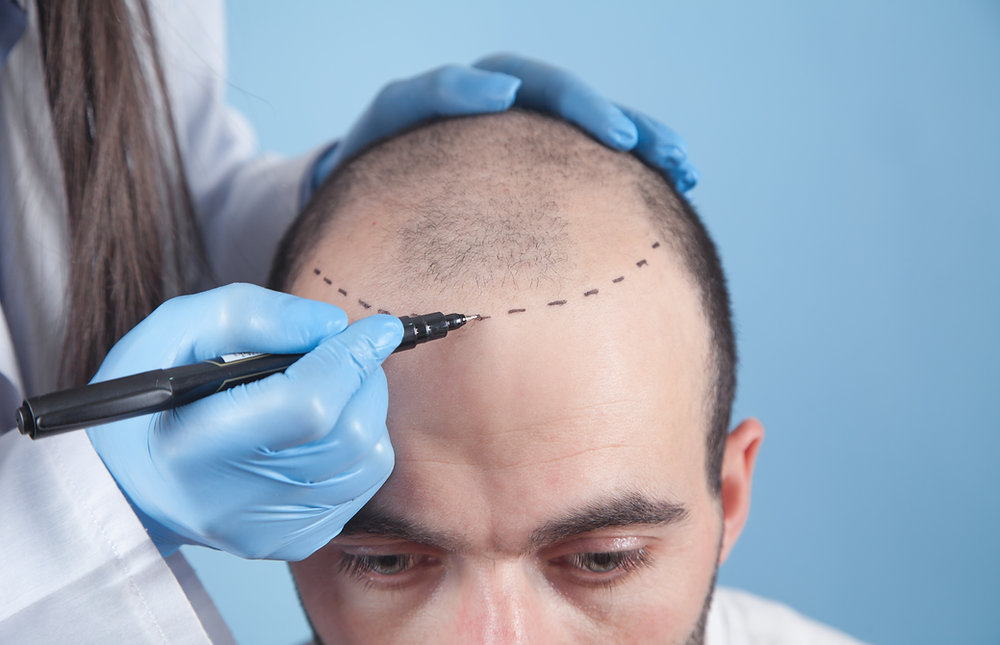
Both methods aim to create natural-looking results, but their success and the permanence of the results can depend on various factors.
Is Hair Transplant Permanent?
The simple answer to the common question, "Is a Hair Transplant Permanent?" is that these procedures are generally considered long-lasting and durable. However, several elements can influence the longevity of your results and determine if your specific hair transplant stays permanent over time:
1. Nature of the Donor Hair
Hair follicles harvested from the donor area are typically more resistant to the effects of hair loss. These follicles retain their properties when transplanted, making them less susceptible to shedding.
2. Technique Used
The surgical method chosen can have a significant impact on the longevity of the results. Experienced surgeons who employ the right techniques will often yield better outcomes.
3. Ongoing Hair Loss
While transplanted hair is usually permanent, patients may still experience hair loss in untreated areas. Genetic factors, hormonal changes, and aging can affect overall hair health.
4. Post-operative Care
The success of a hair transplant is also contingent upon post-operative care. Proper care after surgery can significantly enhance the survival rate of the grafts and overall results.
Expert Tips for Maintaining Your Look
To ensure the longevity of your hair transplant results, here are some expert tips to consider:
1. Follow Post-Operative Instructions
Adhering to your surgeon’s post-operative instructions is crucial. This may include:
- Avoiding vigorous physical activity for a specified period.
- Keeping the transplanted area clean and dry.
- Not applying pressure or manipulating the new grafts.
Following these guidelines can help the hair follicles establish themselves.
2. Maintain Scalp Health
Healthy hair starts with a healthy scalp. To optimize scalp health, consider the following practices:
- Regular Cleansing: Use gentle shampoos free from sulfates and harsh chemicals to avoid irritation.
- Moisturize: Keeping your scalp hydrated can promote a healthy environment for hair growth. Natural oils, like coconut or argan oil, can be beneficial.
3. Use Recommended Hair Products
Utilizing specific hair growth products can aid in maintaining both transplanted and existing hair:
- Minoxidil: Approved for use in both men and women, this topical treatment can help prevent hair thinning and promote growth.
- DHT Blockers: Products containing ingredients like saw palmetto can help combat hair loss caused by dihydrotestosterone (DHT) accumulation.
4. Adopt a Balanced Diet
A nutrient-rich diet is fundamental for hair health. Consider incorporating the following into your meals:
- Proteins: Hair is primarily made of protein. Foods rich in protein, such as lean meats, fish, eggs, and legumes, can support new hair growth.
- Vitamins and Minerals: Vitamins A, C, D, E, and minerals like zinc and iron play crucial roles in hair health. Fruits, vegetables, nuts, and seeds should be staples in your diet.
5. Limit Stress
Chronic stress can adversely affect hair growth. Engage in activities that promote relaxation, such as:
- Exercise: Regular physical activity can reduce stress levels and improve overall health, benefiting your hair as well.
- Mindfulness and Meditation: Practices such as yoga, meditation, or deep-breathing exercises can help alleviate stress.
6. Regular Follow-Ups with Your Surgeon
Regular check-ups with your surgeon can help in monitoring the progress of your hair transplant and managing any potential concerns. They can offer advice on ongoing care and additional treatments to consider.
Conclusion
In summary, the question Is hair transplant permanent? can be answered affirmatively, as the transplanted hair typically remains intact and robust over time. However, ongoing care and lifestyle choices significantly influence the longevity and health of your results. At Beauty Journey, we’re committed to helping you achieve the best possible outcomes from your hair restoration procedures. By following expert tips and maintaining a proactive approach to hair health, you can enjoy your luscious locks long after your transplant. Embrace your journey towards confidence and let your hair shine!